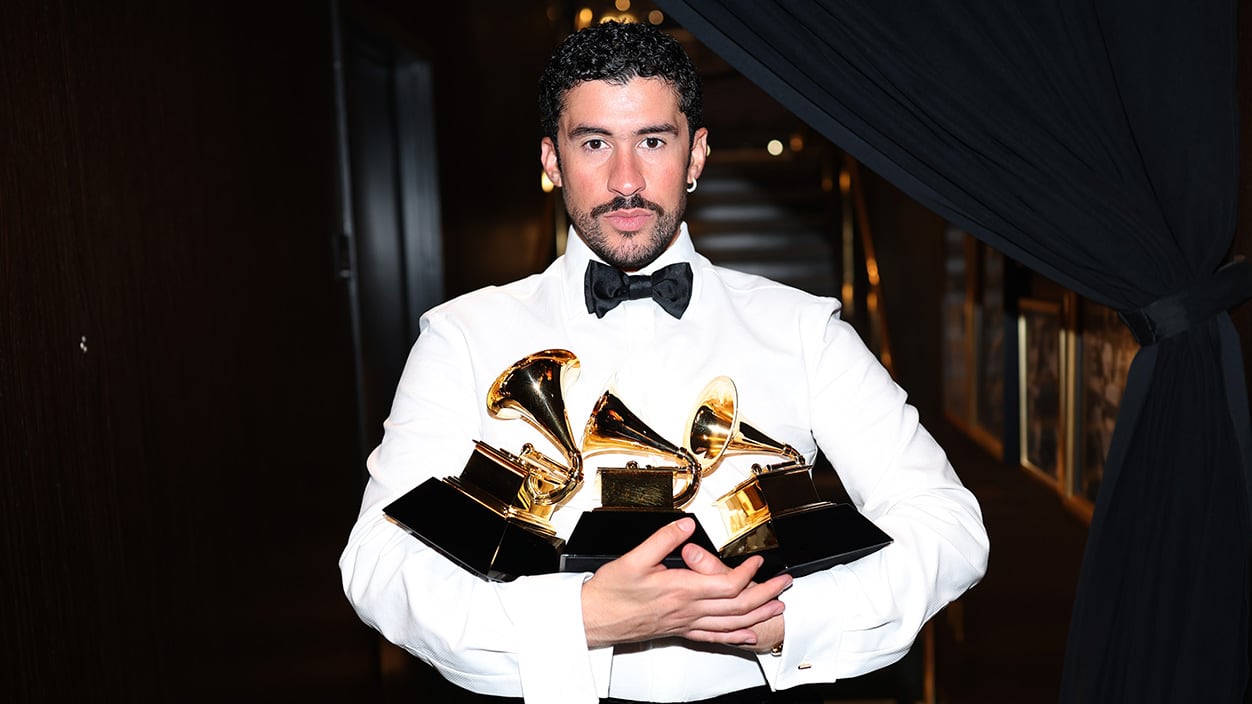
The Grammy Awards has announced it is making updates that includes new categories and rule changes now in effect for next year’s 69th annual show.
According to the press release, five new categories will be voted on by the Recording Academy:
Best Asian Pop Music Performance, which recognizes artistic excellence in Asian pop music performances originating from or widely recognized within Asian markets, including but not limited to K-pop, J-pop and C-pop, with meaningful use of one or more Asian languages. Awards are presented to the performing artist(s).
Best R&B Collaboration or Duo/Group Performance, which recognizes excellence in contemporary R&B performances for works by established duos or groups, as well as collaborative works between solo artists, duos and groups. Awards are presented to the performing artist(s). (Because of this new category, Best R&B Performance Category has been revised and renamed Best R&B Solo Performance.)
Best Traditional Pop Vocal Performance, which recognizes excellence in singles and tracks that consist of a type and style of song and/or performance that cannot properly be intermingled with present forms of pop music. Awards are presented to the performing artist(s).
Best Traditional Folk Album, which recognizes excellence in albums of traditional folk recordings. Awards are presented to artist(s), producer(s), engineer(s)/mixer(s), and songwriter(s) of new songs, if other than artist(s), of greater than 50% playing time on the album. (Because of this new category, the Best Folk Album Category has been revised and renamed Best Contemporary Folk Album.)
Best Latin Song, which recognizes the achievement of songwriters for newly written Latin songs predominantly in the Spanish language (at least 51% of the lyrics). Awards are presented to the songwriter(s) of new material.
Along with the new categories, a number of rules have been changed regarding the definition, eligibility and criteria of some awards. For example, an artist who has previously been nominated for Best New Artist three times is eligible for a fourth nomination in the category.
Best New Artist: Category description language and guidelines have been refined and a maximum number of times an artist may be submitted increased from three to four. These updates provide greater clarity around an artist’s impact during the eligibility period and more flexibility in the number of times an artist can submit, reflecting the evolving nature of artist development.
Album Eligibility: The threshold of new recordings required on an eligible album is lowered from 75% to 66% to reduce the exclusion of entries that are widely recognized throughout the music industry as new albums.
Best Album Notes and Best Historical Album: Internet-only releases are eligible in Best Album Notes and Best Historical Album if the additional materials and album notes are part of the commercial download, ensuring albums released solely in digital form remain eligible for consideration.
Songwriters and Composers Recognition Expansion: Songwriters and Composers of new material on the winning albums in most genre album Categories will now receive Grammy statuettes and Achievement Certificates in parity with the recognition currently afforded to Producers and Engineers in those categories.
In a Q&A, Grammys CEO Harvey Mason Jr. explained why the Academy felt the changes were made, highlighting Best New Artist, saying, “We’ve heard from the music community that the way artists are being developed is changing, and the time it’s taking to find success or recognition can take longer than it once did. Artists are often releasing more music before they actually break through the consciousness of consumers or of our voters, and that evolution directly impacts this Category.”
“Last year, we formed a Best New Artist task force and charged them with reviewing the current guidelines and Category description to determine if anything needed to be refreshed or changed,” he continued. “That task force met, discussed, deliberated, and convened artists, and they came to the table with recommendations, which is what you’re seeing implemented this year.”
“The changes that have been made to this Category will allow for a little bit more flexibility and reflect the reality that artist development looks different than it did even a few years ago,” he added. “Again, it all goes back to making sure our process is reflective of what’s happening in our industry today.”
The 69th Grammy Awards are set to take place on February 7, 2027.